Global Semiconductor Crisis Worsens: Gaming Devices Halted as RAM, SSD, and CPU Prices Surge
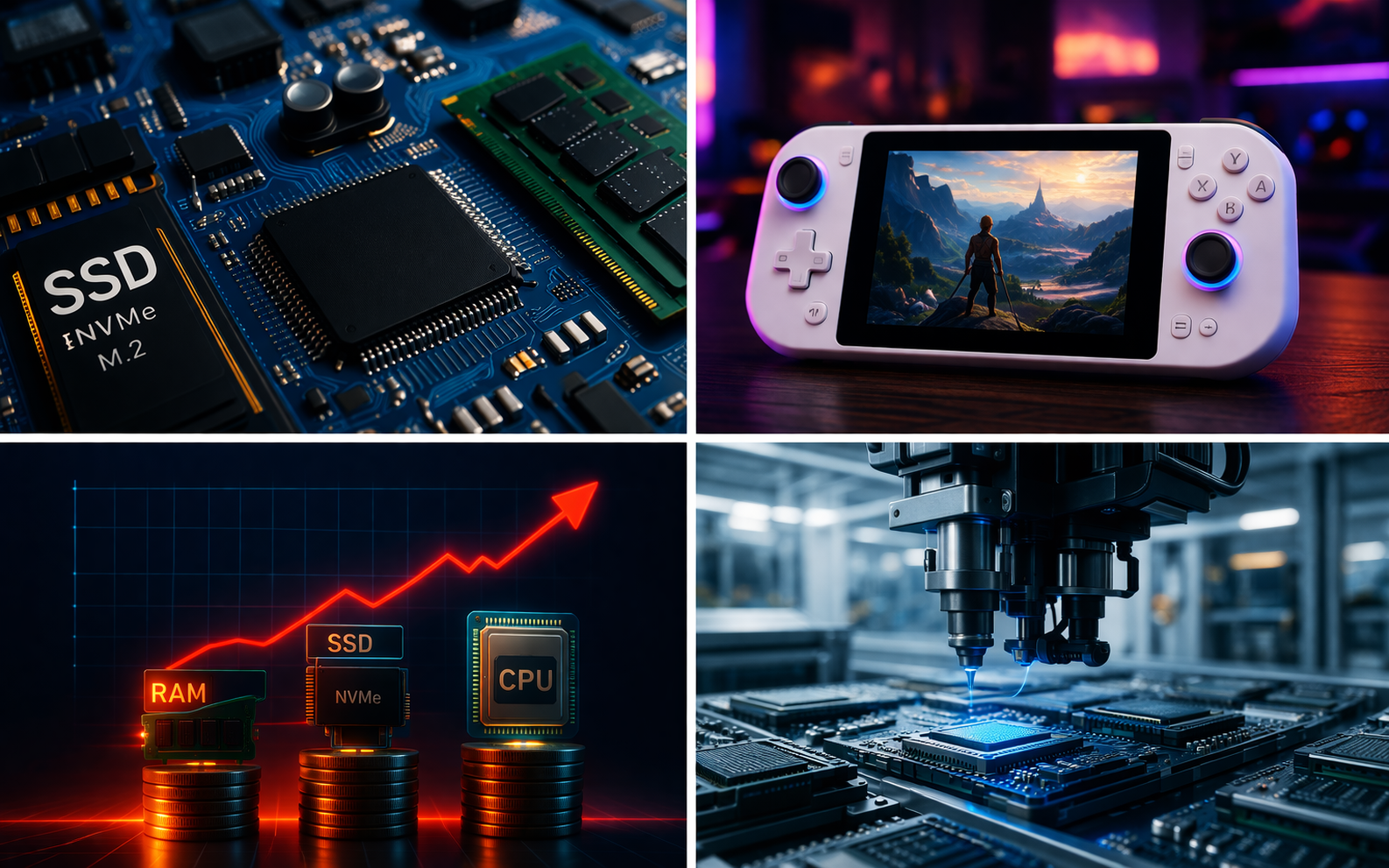
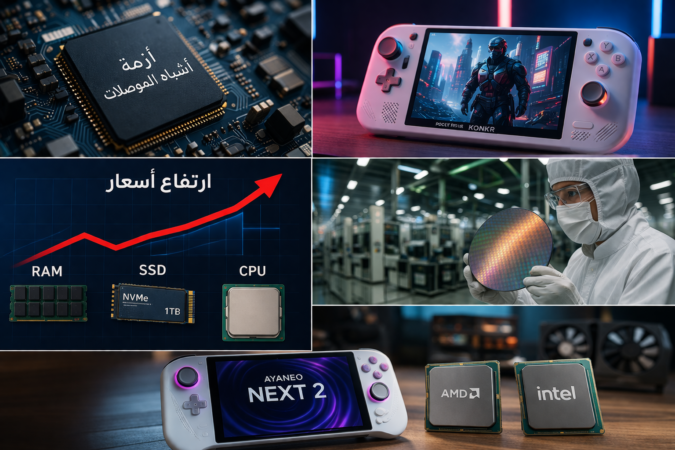
The tech industry has recently been experiencing an unprecedented escalation in the semiconductor crisis. The issue is no longer limited to supply shortages, but has now directly impacted the prices of essential components such as RAM, storage, and CPUs. This new reality has forced many companies to make critical decisions, some going as far as halting production or suspending sales entirely.
With these developments, it has become clear that the market is not improving as expected. Instead, it is becoming more complex, with rising costs exceeding companies’ ability to maintain their previous pricing strategies.
Ayaneo Starts Shipping Konkr Pocket FIT 8Elite with an Unexpected Ending
Ayaneo has officially announced the start of shipping the Konkr Pocket FIT 8Elite after a delay of several months. However, the announcement came with a downside, as the company revealed that this batch could be the last for this model due to the sharp increase in storage component costs.
According to official statements, the surge in storage prices has significantly raised production costs, leading the company to decide against future manufacturing plans. As a result, the currently available units will be limited and sold only while supplies last.
Konkr Pocket FIT Details and Why It’s Affected
The Konkr Pocket FIT is a handheld gaming device powered by Android, offering solid performance that makes it competitive in its category. It features a 6-inch display with 1080p resolution and a 144Hz refresh rate, along with an 8000mAh battery.
It is available with two processor options: Snapdragon G3 Gen 3 and Snapdragon 8 Elite. The version being discontinued is the one powered by the more advanced chip, highlighting how rising costs are now affecting even high-performance devices.
On the other hand, the alternative version is expected to remain available, as lower demand for the gaming-focused chip may help keep its cost within a sustainable range.
Ayaneo NEXT 2 Sales Suspended Due to Rising Costs
The impact of the crisis is not limited to Android-based devices, but has also affected Windows-powered handhelds. Ayaneo has announced the suspension of sales for the NEXT 2, one of the most powerful devices in its class.
The device was powered by the AMD Ryzen AI Max+ 395 processor, with RAM options reaching up to 128GB and storage up to 2TB. It also featured a 9.06-inch OLED display with a 165Hz refresh rate and a massive 116Wh battery.
Despite its premium price of around $2000, the company confirmed that production costs had significantly exceeded the selling price, nearly doubling the originally planned cost. Under such conditions, continuing to sell the device was no longer sustainable.
Storage Prices Surge After Chinese New Year
The company explained that the major turning point came after the Chinese New Year, when storage component prices unexpectedly surged to multiple times their previous levels. This sudden increase made it impossible to maintain the same pricing strategy without incurring major losses.
This development highlights the fragility of global supply chains, especially when it comes to critical components like storage that are used in nearly all modern electronic devices.
The Crisis Reaches Industry Giants: Intel and AMD
Ayaneo is not alone in facing these challenges. Intel has announced plans to increase CPU prices by up to 10%, and shortly after, AMD followed with price hikes that could reach up to 15%.
These moves from major chip manufacturers indicate that the crisis is not temporary and may continue for a longer period, directly impacting consumer device prices.
Stock Shortages and Product Delays Across the Market
The effects of the crisis have also extended to other key products. Devices like the Steam Deck are facing stock shortages, making them harder to find in many markets.
Meanwhile, projects such as Steam Machine and Steam Frame VR have been delayed indefinitely, reflecting the scale of pressure companies are currently dealing with.
Related: vivo V70 FE Launching in India: A New Step to Strengthen Mid-Range Competition
The Future of the Handheld Device Market
Current indicators suggest that the handheld device market, especially gaming-focused products, may experience a noticeable slowdown in new releases. Companies are shifting toward reducing risks and focusing on products with more stable cost structures.
Rising prices may also push consumers to reconsider their purchasing decisions, which could further impact demand and add complexity to the market.
Given these factors, it appears that the crisis has not yet reached its peak, and the coming period may bring even more challenges for both companies and consumers in a market heavily dependent on stable supply chains and affordable component availability.
Disclaimer: We can not guarantee that the information on this page is 100% correct.